By Roz Brown
New Mexico will join the other 49 U.S. states to pay their legislators a salary if a constitutional amendment is approved by New Mexico voters in next week’s midterm election.
Unlike other states, New Mexico has never changed its 1911 Constitution to allow lawmakers to receive a paycheck for their work. Pending voter approval, legislators’ salaries would be tied to the state’s median household income, currently just under $68,000 a year.
Oriana Sandoval, CEO of the nonprofit Center for Civic Policy, who advocates for the change, said even though it’s a part-time legislature, right now, the vast majority of New Mexicans cannot consider throwing their hat in the ring.
“The way the system works now is that either you’re retired or you’re well-off, so you don’t need a salary, or you have a job that’s flexible enough – or a family situation that’s flexible enough – for you to do volunteer work,” Sandoval outlined.

Sen. William Sharer, R-Farmington, the Senate minority floor leader, has expressed concerns if salaries are paid, candidates could potentially run for the wrong reason, because it’s a job with a paycheck and not because they want to work on public policy.
Depending on the state, it’s estimated running for a legislative seat can range from $10,000 to $100,000. Once elected, New Mexico lawmakers, like those in most other states, are reimbursed for travel and receive a daily allowance or per diem during the 60- or 90-day sessions. Sandoval believes those with sufficient financial resources have the advantage.
“The $250 per diem that they currently get doesn’t even cover one night of lodging in Santa Fe, much less food. The gas mileage rates, I’m sure, are out of whack with what actual gas costs,” Sandoval pointed out.
What else are New Mexico voters deciding?
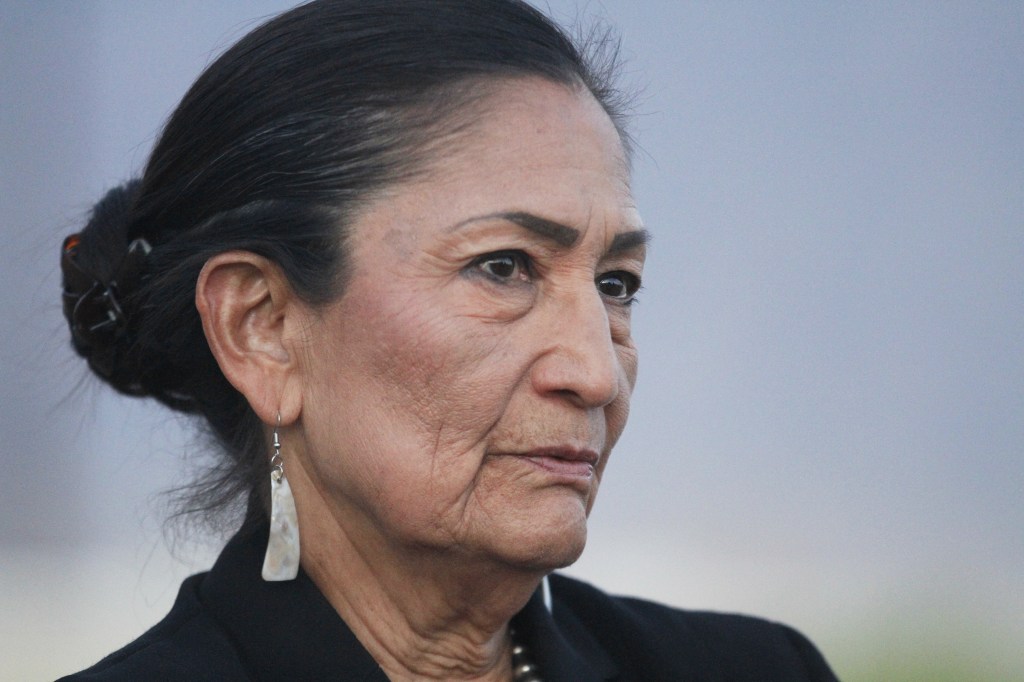
New Mexicans also must choose a new governor to replace Michelle Lujan Grisham, who is term-limited after eight years in office. The two nominees are Democrat Deb Haaland, a former U.S. Secretary of the Interior and representative for New Mexico, and Republican Gregg Hull, a businessman and the former mayor of Rio Rancho.
A second constitutional change on next week’s ballot could boost turnout for school district elections if voters agree to hold them during odd-numbered years, when local governments typically hold elections for city council seats.
Related: Meta ordered to pay New Mexico $25 billion for deceiving users about privacy on Facebook