The floodwaters have receded in parts of northwestern New Mexico, but for many Navajo families, the damage is far from over.
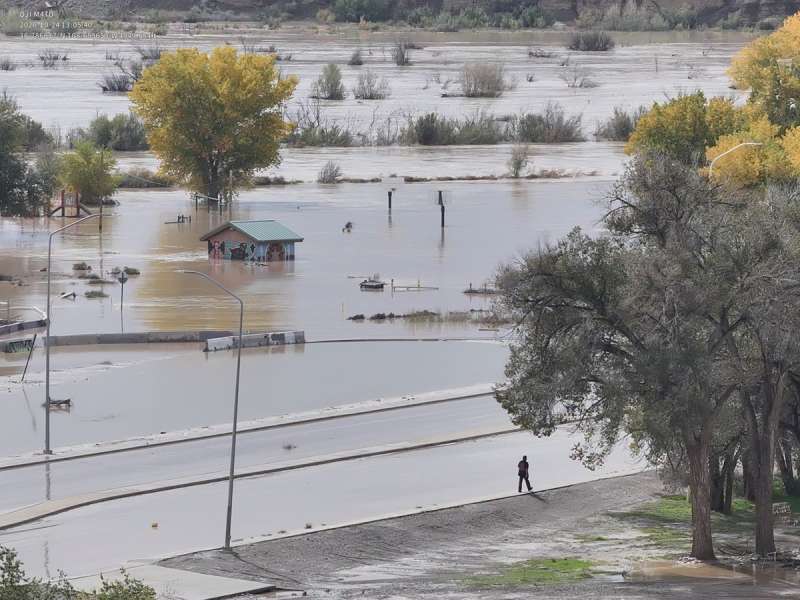
Historic rainfall across the Four Corners region in late October and early November inundated communities, damaged infrastructure, and left some farmland contaminated with wastewater.
in the wake of this flooding in New Mexico, residents have been left wondering when they can return home, whether their land will be safe to farm, and how they can afford to rebuild. Initial estimates say at least 500 homes have sustained damage.
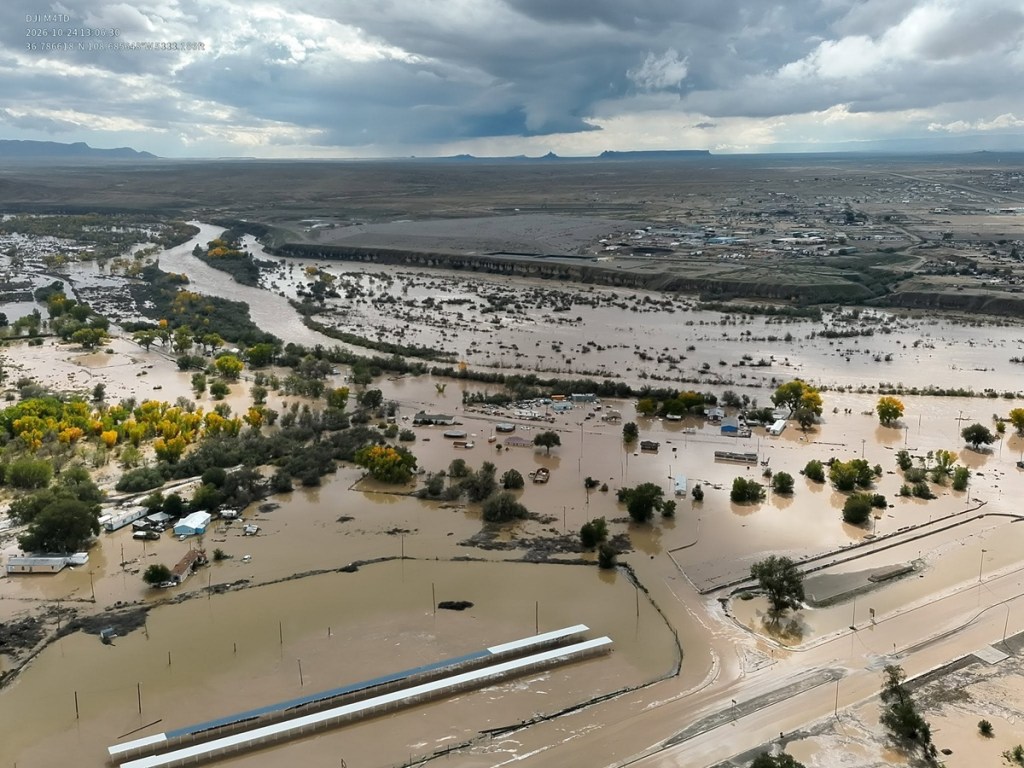
The storms followed New Mexico’s hottest summer on record, with heavy precipitation intensified by this year’s El Niño conditions. The San Juan River crested at 21 feet near Shiprock, its highest reported level there since 1935.
Floodwaters also damaged wastewater treatment facilities in New Mexico and Utah, sending sewage into the river and surrounding communities, according to The Guardian.
Farmers face potential years of losses
For Navajo farmers, the flooding threatens more than a single harvest.
Zach Ben, co-founder of Bidii Baby Foods, told KJZZ that his family’s two farming operations suffered extensive damage. The company makes traditional Navajo dry-steamed corn products, a labor-heavy process that involves cooking corn underground before allowing it to air-dry. But environmental moisture caused crops to grow mold before they could be processed.
Subsequent flooding destroyed a greenhouse and other property on Ben’s farm. The flooding also breached wastewater treatment plants in Bloomfield, Farmington and Shiprock, sending raw sewage and chemicals used to treat wastewater downstream into Shiprock, contaminating farmland and neighboring homes.
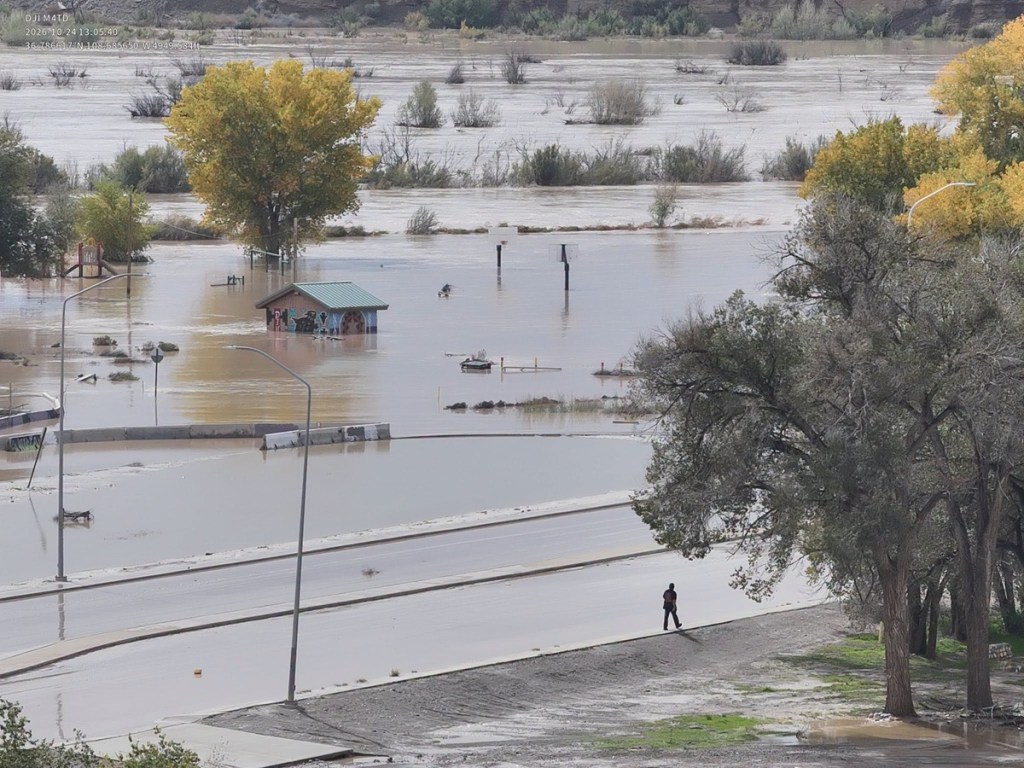
That contamination could leave agricultural land unusable for years, threatening the future of local farming.
Ben said a contributing factor is that there was no established baseline for the condition of the soil and water, making it difficult to determine when farming could safely resume.
He also criticized the Navajo Nation government for failing to provide adequate relief to affected communities, questioning how tribal resources are being allocated and calling for funding to reach farmers facing potentially years of crop losses and soil remediation.
The financial losses could be substantial. Ben told The Guardian that his family was facing approximately $100,000 in losses, while also raising concerns that crop insurance does not adequately cover agricultural operations on tribal trust land.
Free temporary housing available
For residents displaced by the flooding, finding somewhere to stay remains an immediate concern.
Airbnb.org and United Way chapters are working together to connect affected families with free temporary accommodations. Since severe weather began in late October, Airbnb.org has provided more than 3,100 nights of emergency housing across New Mexico, Arizona, Colorado, and Utah, according to the New Mexico Political Report.
The United Way of North Central New Mexico is also helping identify displaced residents and match them with available housing near their jobs, schools, and support networks.
Residents in San Juan County and affected Navajo Nation communities can check eligibility by calling United Way’s 211 helpline at (505) 245-1735.
Community organizations fill critical gaps
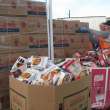
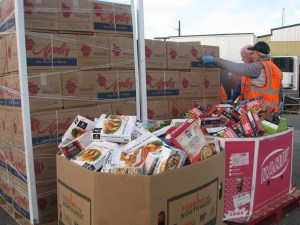
Local volunteers have also organized food distributions, collected supplies, and provided assistance to families struggling with power outages and damaged homes.
In Shiprock, the Kirk Center became a central collection and distribution site, with volunteers coordinating meals, clothing, hygiene products, and other essentials.
Navajo Nation President Buu Nygren disputed criticism of the government’s emergency response, telling KJZZ that he had allocated $6 million in emergency funding to the Nation’s 110 chapters before the flooding and established a separate emergency response fund with a $20 million appropriation.
For residents who have lost homes, crops, and access to basic infrastructure, however, recovery will extend well beyond the initial emergency response. Restoring farmland, repairing infrastructure, and determining whether contaminated soil can support future harvests could take considerably longer.
Related: Interior Dept.’s plan to sell off federal land alarms New Mexico conservationists